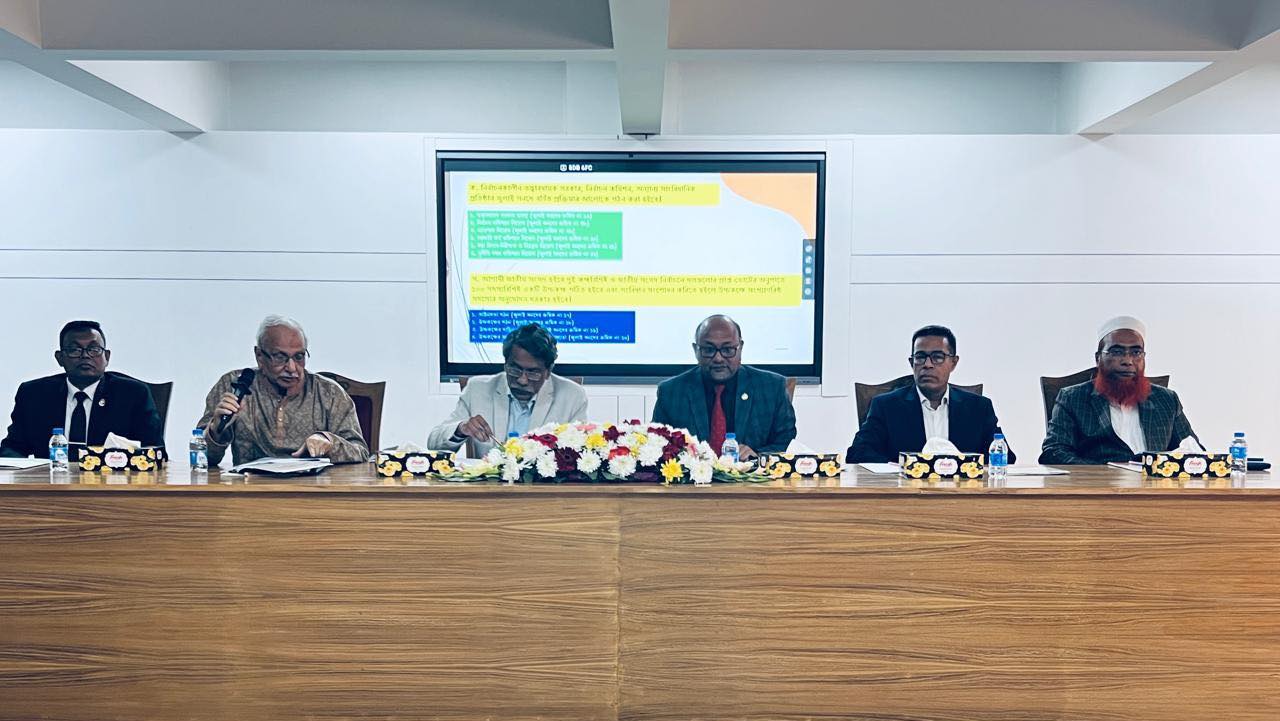
Dhaka, Broadcasting News Corporation: Professor Ali Riaz, Special Assistant to the Chief Advisor, has said that this referendum is to ensure that those who will run this country in the future can never become fascists.
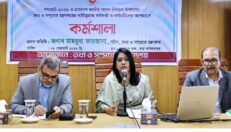
He made these remarks during his keynote speech at a workshop titled ‘Upcoming Referendum and the Roles of NGOs’ held on Thursday (January 8, 2026) at the conference room of the NGO Affairs Bureau in Dhaka.
The meeting was chaired by Md. Daud Mia, Director General of the NGO Affairs Bureau, and special speakers included Monir Haidar, Special Assistant (Consensus) to the Chief Advisor, and Dr. Badiul Alam Majumdar, Secretary of Citizens for Good Governance (Sujan). Representatives from nearly 450 local and international NGOs registered in the country attended the workshop. Professor Ali Riaz, who is the chief coordinator of the government’s campaign activities for the upcoming referendum, further remarked that those who run the country get the opportunity to become fascist due to our existing flawed constitutional and state structures.He said that in the upcoming referendum, the ‘Yes’ vote must win to block their path to becoming fascist.
Professor Ali Riaz noted that there is no doubt about what the referendum is or why it is being held, adding that the referendum will be like any other general election, but through the referendum, the people will decide how the future of Bangladesh will unfold. In the upcoming election, all voters will receive two ballots at the polling centers, with the representative election ballot being white and the referendum ballot being colored, he said.
Emphasizing that it is everyone’s responsibility to generate public opinion and ensure participation in the referendum, Ali Riaz said that those who sacrificed their lives for democracy during the July popular uprising and under the previous government, those who have been oppressed and are struggling in hospitals, have entrusted this responsibility to us through their ultimate sacrifices.
The special assistant to the chief advisor further said that one of our biggest challenges is the lack of transparency and accountability at all levels of the state. He said that if the national charter of July is implemented with the consent of the people through the referendum, it will pave the way to ensure transparency in all state institutions.
At this time, recalling the reconstruction of independent Bangladesh, the empowerment of the poor population, and the contributions of NGOs and development workers during all natural disasters and crises, Professor Ali Riaz addressed the NGO representatives present, saying that people trust you, and therefore you can play an important role in raising awareness among marginalized communities about voting.
Monir Haider, special assistant to the chief advisor (consensus), who was a special speaker at the workshop, said that during the Pakistani rule, the then rulers had deprived us of our democratic rights. The freedom fighters’ dream was of a country where citizens’ rights would be protected. Monir Haider added that if we can achieve the desired reforms through voting, it will pave the way for building a safe and beautiful democratic Bangladesh for future generations. Otherwise, he noted, the country will revert to the state it was in before August 5.
Monir Haider, Special Assistant to the Chief Adviser, said that if the people vote ‘yes’ in favor of reforms, an effective parliamentary system will be established, a balance of power will be brought among state institutions, and in addition to the reform and decentralization of the judiciary, accountability and transparency in all areas of national governance will further increase.
Badiul Alam Majumdar, founding editor of Citizens for Good Governance (Sujan) and former member of the National Consensus Commission, presented a Sujan-led presentation titled ‘What and Why of Referendum?’ at the workshop, discussing the reform and referendum-related issues described in the July National Charter.
At that time, Md. Daud Mia, Director General of the Bureau, stated that NGOs would work closely with the bureau to raise awareness about the referendum among the 5-6 million direct beneficiaries of the NGOs, their families, and the indirect beneficiaries.
Archive





Comment Here